Category: Fuel Management

How to Achieve Fleet Fuel Cost Reduction in 2026

How to Achieve Fleet Fuel Cost Reduction in 2026

UAE fleet operators can reduce fuel costs by focusing on four key areas: GPS fuel monitoring, driver behaviour improvement, route optimisation, and preventive maintenance. When implemented together, these strategies can deliver 20–30% total fuel cost reduction within 12 months.

Read More »
10 Ways to Reduce Fuel Waste in Your Fleet

10 Ways to Reduce Fuel Waste in Your Fleet

A practical guide for UAE fleet operators covering 10 strategies to reduce fuel waste, including fuel monitoring, idling reduction, driver coaching, route optimisation, theft detection, vehicle maintenance, speed control, fleet right-sizing, driver scorecards, and fuel-data analysis.

Read More »
What Is a Fuel Monitoring System and How Does It Work?

What Is a Fuel Monitoring System and How Does It Work?

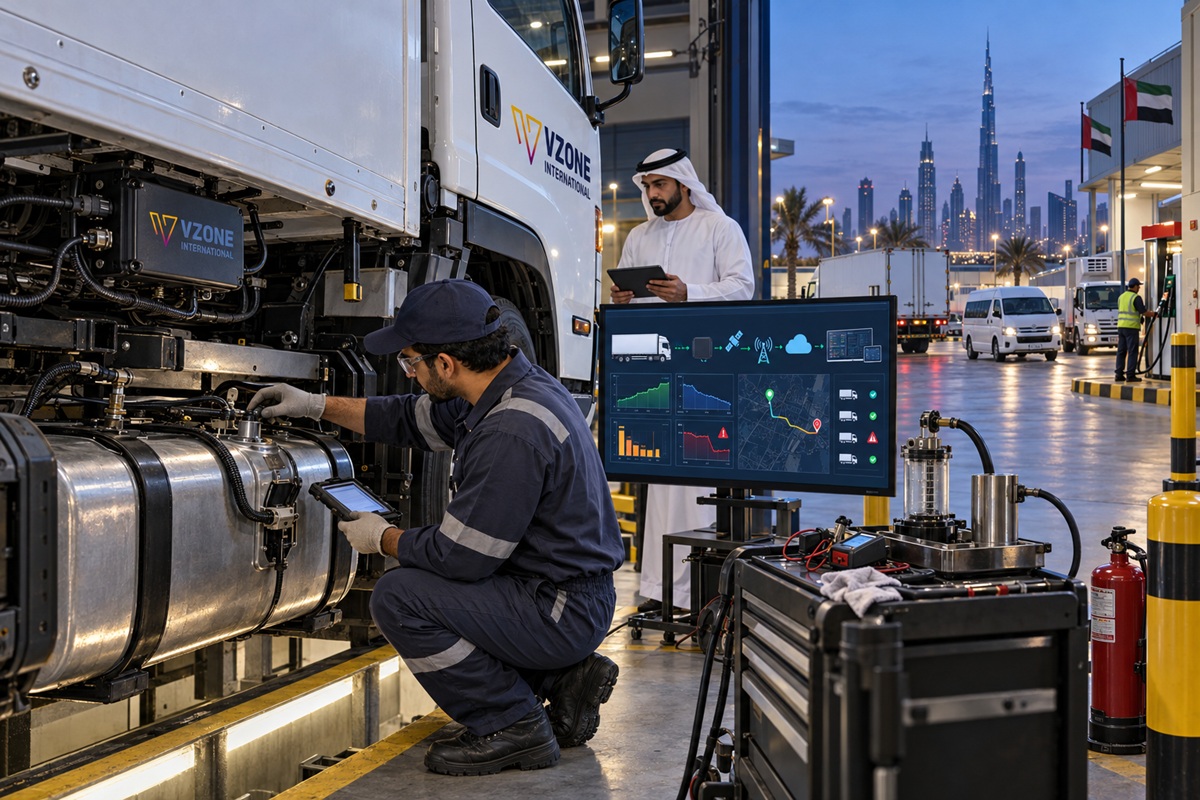
A fuel monitoring system is a hardware and software solution that tracks fuel levels, consumption, and losses in commercial vehicles and storage tanks in real time detecting theft, measuring waste, and providing per-vehicle fuel cost data that manual fuel logs and card statements cannot deliver. It works by combining calibrated fuel level sensors in vehicle tanks with GPS telematics, which transmits sensor readings to a cloud platform where they are matched against trip data to calculate consumption per kilometre and flag anomalies.

Read More »
Commercial Fleet Fuel Management: UAE Benchmarks and Industry Standards

Commercial Fleet Fuel Management: UAE Benchmarks and Industry Standards

Fuel is the largest single operating cost for UAE commercial fleets, representing 28 to 42 percent of total vehicle operating cost depending on fleet type higher for high-mileage commercial vehicle operations, lower for mixed urban and light vehicle fleets. UAE fuel consumption benchmarks by vehicle category: light commercial van (urban delivery) 9 to 14 L/100 km; pickup truck (construction) 12 to 18 L/100 km; medium rigid truck (mixed routes) 18 to 28 L/100 km; heavy semi-trailer (highway) 28 to 42 L/100 km. Top-quartile UAE fleet operators using GPS telematics achieve 15 to 20 percent below the industry median consumption benchmark for their vehicle category. Fleets without telematics typically perform at or above the industry median.

Read More »
AI Fuel Cost Optimization: Using Machine Learning to Predict UAE Fleet Spend

AI Fuel Cost Optimization: Using Machine Learning to Predict UAE Fleet Spend

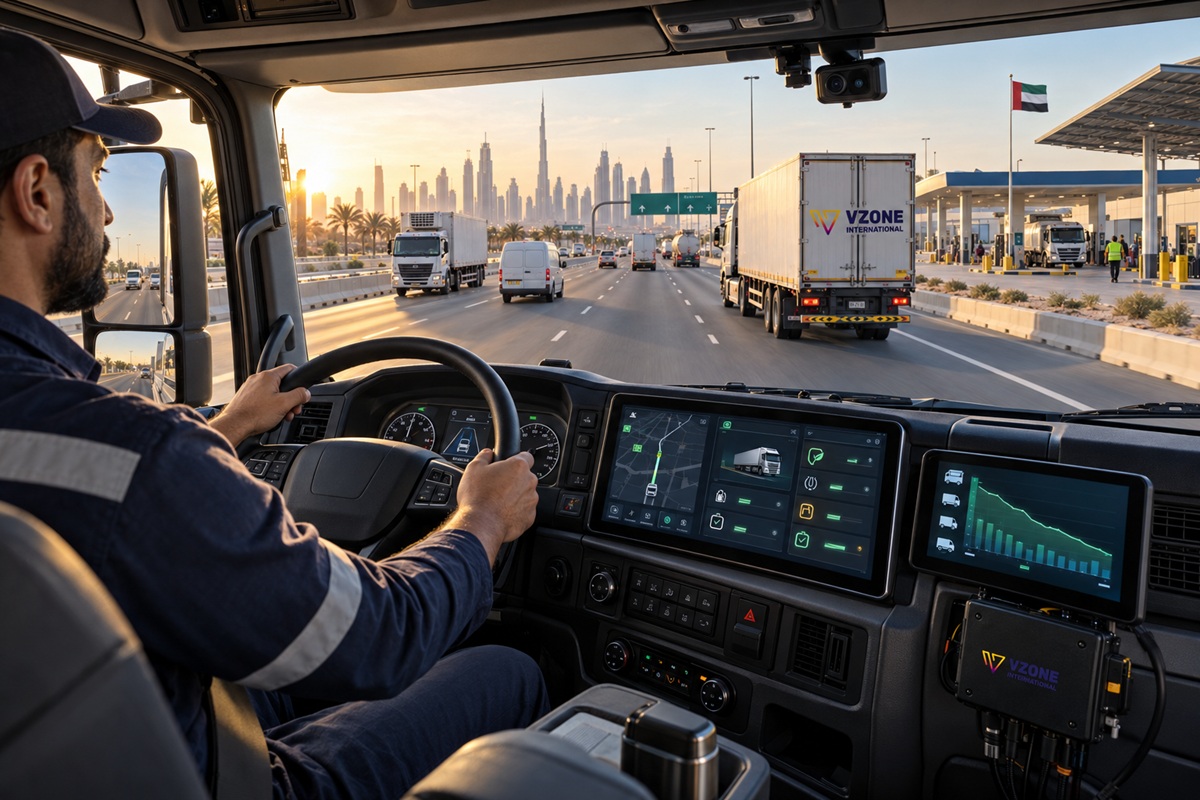
AI fuel cost management for UAE commercial fleets applies machine learning to GPS telematics data and fuel consumption records to do three things that rule-based fleet management systems cannot: predict future fuel spend with high accuracy by modelling the relationship between driving patterns, route conditions, seasonal factors, and consumption outcomes; detect consumption anomalies in real time by comparing each trip’s actual consumption against the AI model’s expected consumption for that specific combination of vehicle, driver, route, load, and weather conditions; and identify optimisation opportunities that are not visible to human analysis fuel efficiency patterns correlated with specific times of day, driver behaviour clusters that respond differently to coaching interventions, and route segments that consistently drive above-expected consumption across all drivers. VZone International’s AI Fleet Assistant, trained on 300M+ km of UAE and GCC driving data, applies these capabilities to UAE fleet fuel management with regional calibration not available in global fleet AI platforms.

Read More »
Fuel Cost Per Vehicle Report - How to Build One and What to Track

Fuel Cost Per Vehicle Report: How to Build One and What to Track

A fuel cost per vehicle report for UAE commercial fleets tracks five core metrics per vehicle per reporting period: total fuel spend (AED), total kilometres driven (GPS-verified), fuel consumption per 100 km (litres), fuel cost per kilometre (AED), and variance from the vehicle’s established baseline. The report is structured with a fleet-level summary (total spend, fleet-average consumption, budget variance), a per-vehicle ranking table sorted by fuel cost per kilometre (identifying high-cost outliers), a driver efficiency section (consumption per 100 km normalised for route type), and an exceptions section (vehicles with significant month-on-month cost increases, card reconciliation exceptions, and idling cost highlights). Fleet management software generates this report automatically from GPS telematics and fuel card data no manual spreadsheet calculation required.

Read More »
Automated Fuel Management System - End-to-End Control for UAE Fleets

Automated Fuel Management System: End-to-End Control for UAE Fleets

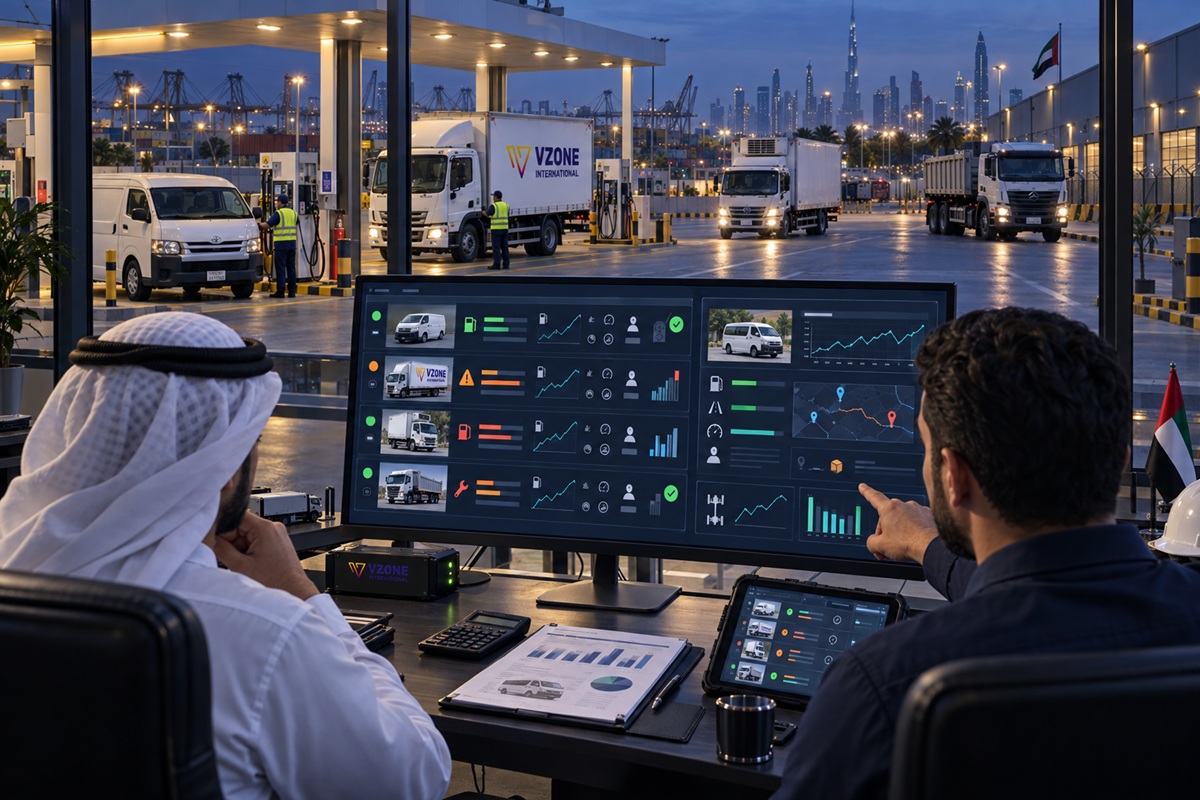
An automated fuel management system for UAE commercial fleets integrates four data sources into a single workflow: bulk depot tank monitoring (deliveries in, dispensing out, stock level), fuel card transaction data (commercial station purchases per vehicle), GPS vehicle telematics (consumption per km, idling, driving behaviour), and ERP financial reporting (cost allocation to cost centres and client contracts). Automation removes the manual monthly reconciliation that most UAE fleet fuel managers currently perform cross-referencing card statements, GPS trip data, and depot dispensing logs separately and replaces it with a continuous, real-time fuel visibility dashboard where variances are flagged immediately rather than discovered at month-end review. UAE commercial fleets with automated fuel management systems report 20 to 30 percent reduction in total fuel spend within 12 months.

Read More »
Bulk Fuel Tank Monitoring - Managing Depot-Level Fuel in UAE

Bulk Fuel Tank Monitoring: Managing Depot-Level Fuel in UAE

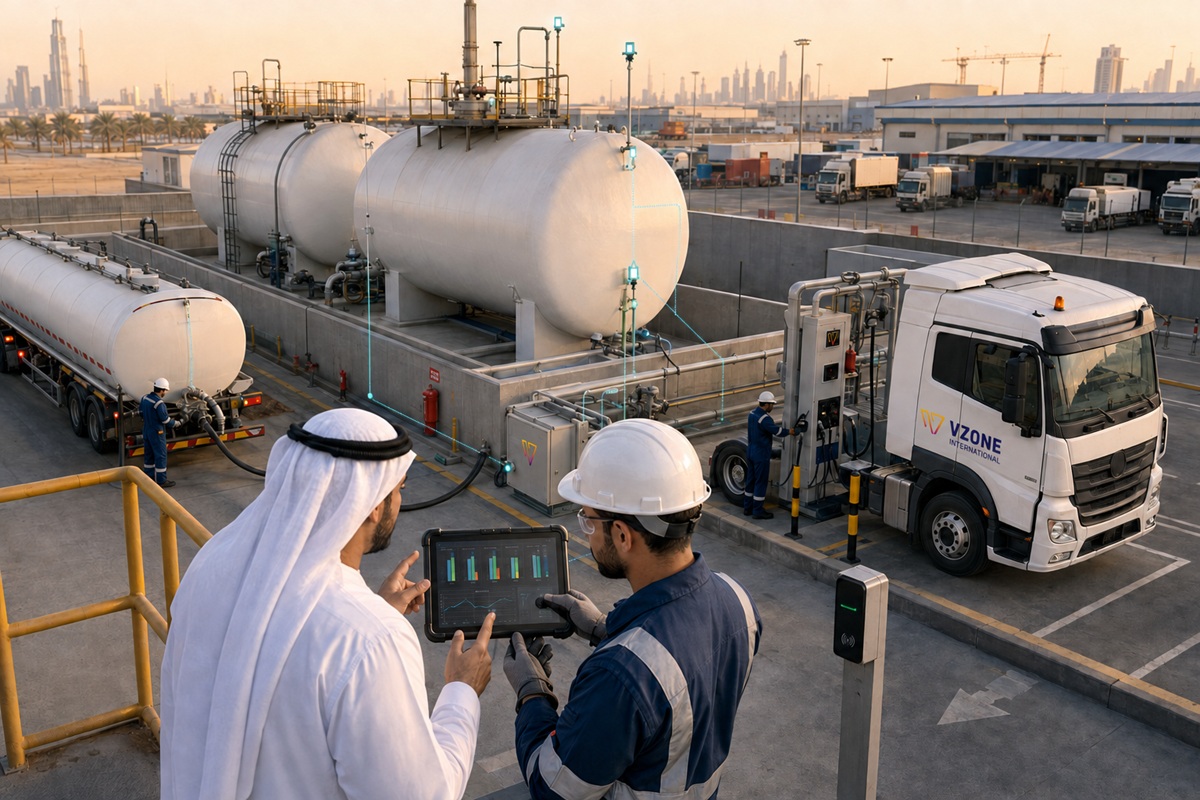
Bulk fuel tank monitoring for UAE depots and construction sites uses IoT level sensors installed in storage tanks to provide real-time fuel level data tracking deliveries in, dispensing out, and detecting unexplained losses that indicate theft or leakage. Without monitoring, UAE depot fuel tanks typically lose 5 to 12 percent of throughput to theft, unmeasured dispensing, and delivery shortfalls losses that are invisible in monthly fuel card statements because the theft occurs at the depot level before fuel reaches individual vehicles. Tank monitoring sensors transmit level data continuously to the fleet management platform, generating alerts for rapid level drops (theft or leak), delivery arrival confirmation, low stock reorder triggers, and dispensing records that reconcile against vehicle fill events.

Read More »
GPS Fleet Tracking for Remote Areas in GCC - Coverage and Solutions

GPS Fleet Tracking for Remote Areas in GCC: Coverage and Solutions

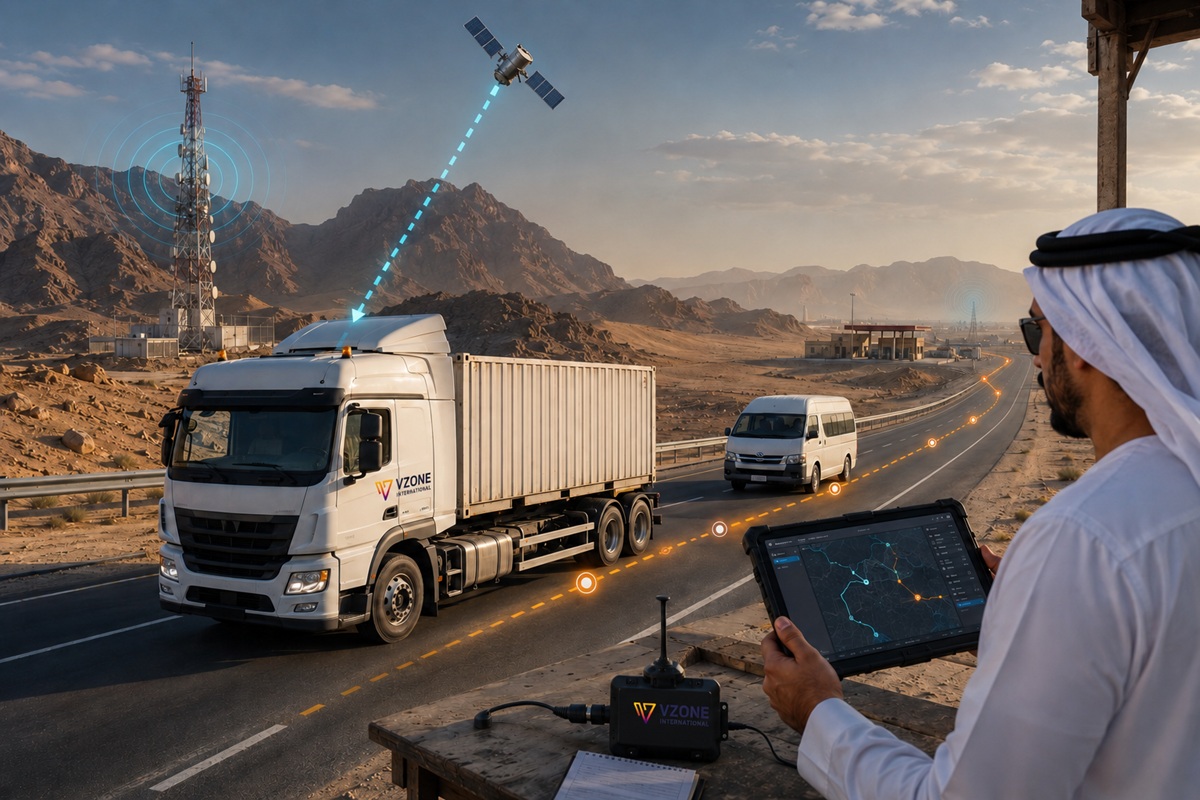
GPS fleet tracking in UAE and GCC remote areas faces two distinct challenges: cellular connectivity gaps (the GPS device cannot transmit position data to the cloud when outside 4G coverage) and GPS satellite signal quality (rare in UAE open desert but relevant in deep wadis and rock formations). The cellular gap problem is solved by store-and-forward architecture devices buffer data locally during coverage gaps and upload when connectivity resumes, maintaining an unbroken compliance record. For routes with extended coverage gaps beyond the buffer duration, satellite-based GPS transmission via Iridium SBD provides continuous position data regardless of cellular infrastructure. UAE’s Western Region desert routes, UAE-Oman cross-border corridors, and remote ADNOC facility access routes are the primary applications for satellite-supplemented GPS fleet tracking in the GCC.

Read More »
GPS Fuel Monitoring for Trucks - Tracking Consumption Per Route in UAE

GPS Fuel Monitoring for Trucks: Tracking Consumption Per Route in UAE

GPS fuel monitoring for heavy trucks in UAE tracks fuel consumption per route, per driver, and per load using CAN bus integration reading fuel level, consumption rate, and engine performance data directly from the truck’s controller area network rather than from the fuel gauge alone. Heavy truck fuel is the largest single operating cost in UAE logistics typically AED 12,000 to AED 25,000 per truck per month for GCC-route long-haul operations and a 15 to 20 percent consumption reduction from GPS-enabled driver coaching and route optimisation saves AED 1,800 to AED 5,000 per truck per month. Per-route consumption tracking enables fleet managers to compare identical routes driven by different drivers, identify route-specific fuel efficiency patterns, and build the baseline data for accurate fuel cost allocation per client or per contract.

Read More »
Scroll to Top