
Day: August 27, 2026

Bulk Fuel Tank Monitoring - Managing Depot-Level Fuel in UAE

Bulk Fuel Tank Monitoring: Managing Depot-Level Fuel in UAE

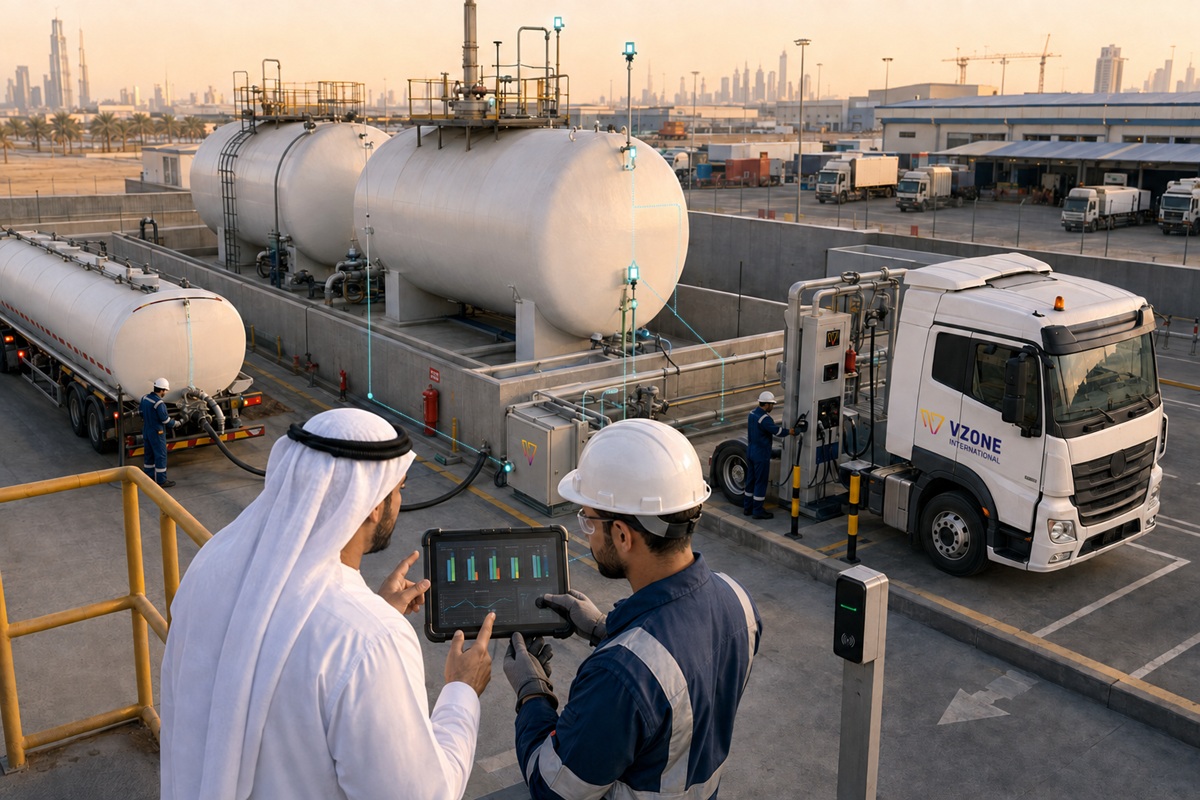
Bulk fuel tank monitoring for UAE depots and construction sites uses IoT level sensors installed in storage tanks to provide real-time fuel level data tracking deliveries in, dispensing out, and detecting unexplained losses that indicate theft or leakage. Without monitoring, UAE depot fuel tanks typically lose 5 to 12 percent of throughput to theft, unmeasured dispensing, and delivery shortfalls losses that are invisible in monthly fuel card statements because the theft occurs at the depot level before fuel reaches individual vehicles. Tank monitoring sensors transmit level data continuously to the fleet management platform, generating alerts for rapid level drops (theft or leak), delivery arrival confirmation, low stock reorder triggers, and dispensing records that reconcile against vehicle fill events.
Read More »
GPS Fleet Tracking for Remote Areas in GCC - Coverage and Solutions

GPS Fleet Tracking for Remote Areas in GCC: Coverage and Solutions

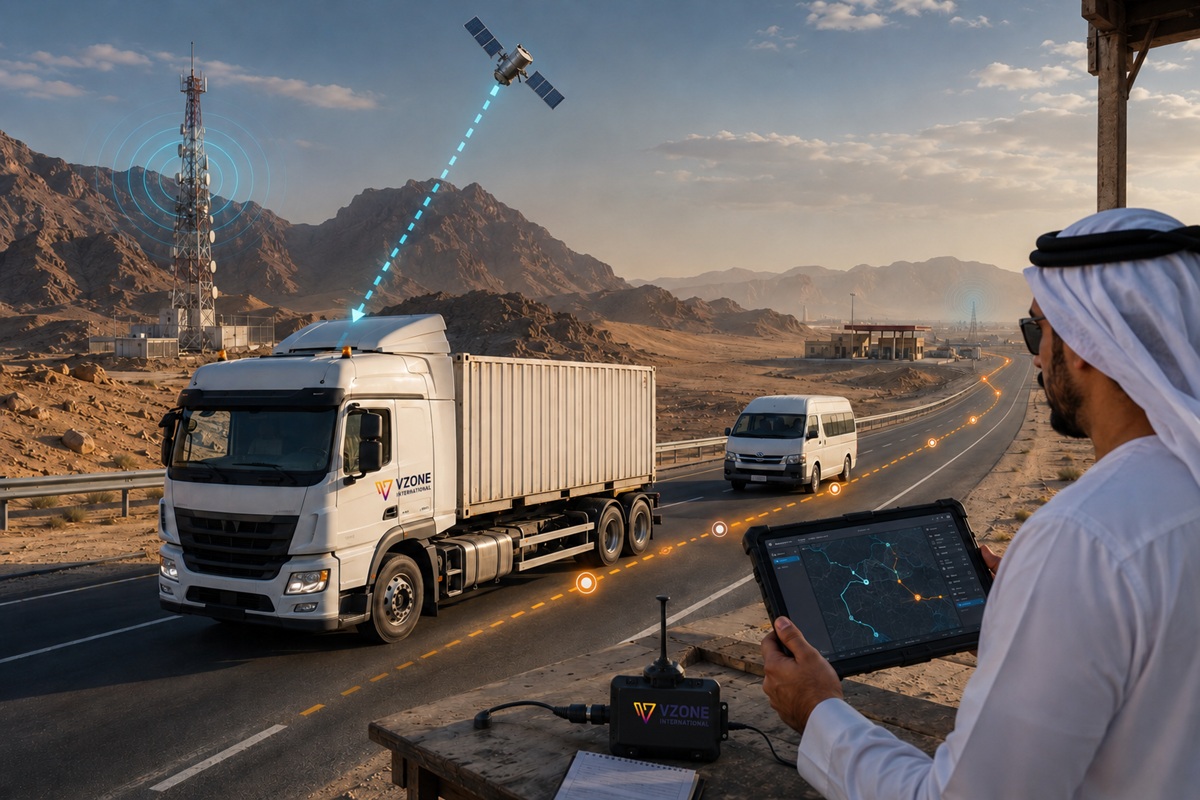
GPS fleet tracking in UAE and GCC remote areas faces two distinct challenges: cellular connectivity gaps (the GPS device cannot transmit position data to the cloud when outside 4G coverage) and GPS satellite signal quality (rare in UAE open desert but relevant in deep wadis and rock formations). The cellular gap problem is solved by store-and-forward architecture devices buffer data locally during coverage gaps and upload when connectivity resumes, maintaining an unbroken compliance record. For routes with extended coverage gaps beyond the buffer duration, satellite-based GPS transmission via Iridium SBD provides continuous position data regardless of cellular infrastructure. UAE’s Western Region desert routes, UAE-Oman cross-border corridors, and remote ADNOC facility access routes are the primary applications for satellite-supplemented GPS fleet tracking in the GCC.

Read More »
Scroll to Top