Day: September 8, 2026

What Is a Fuel Monitoring System and How Does It Work?

What Is a Fuel Monitoring System and How Does It Work?

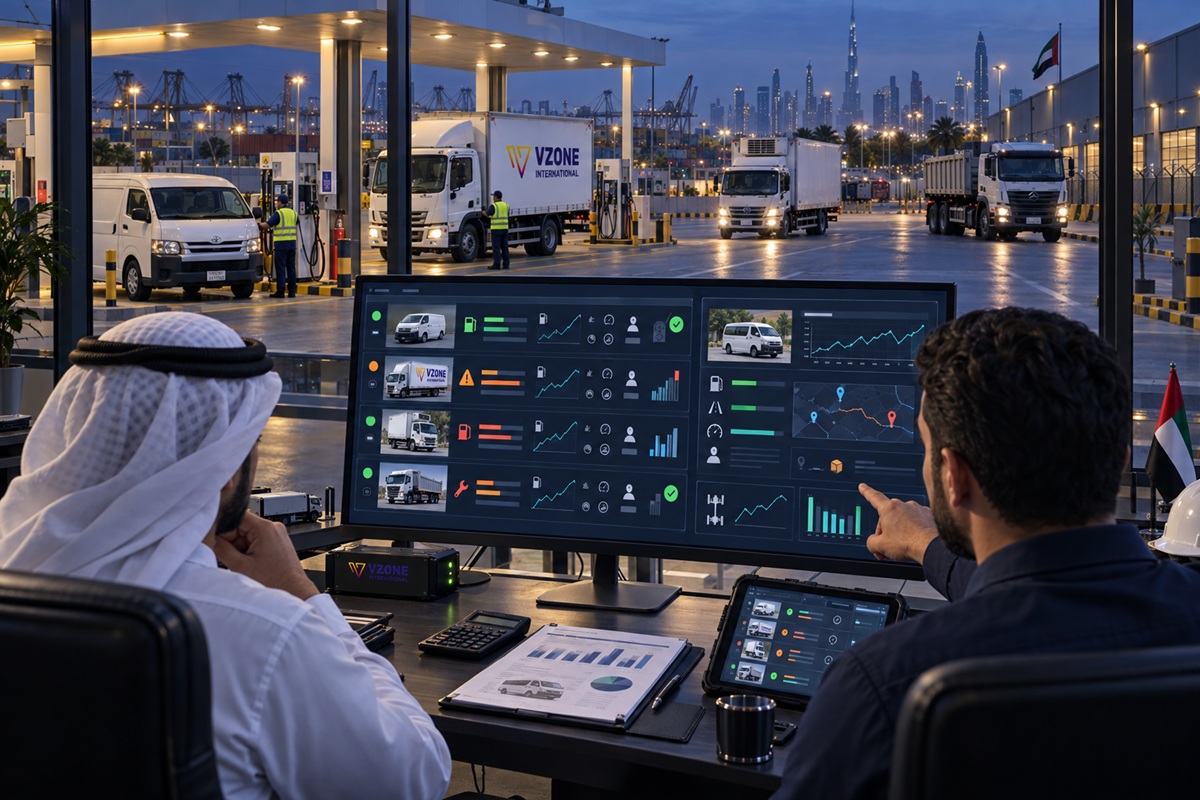
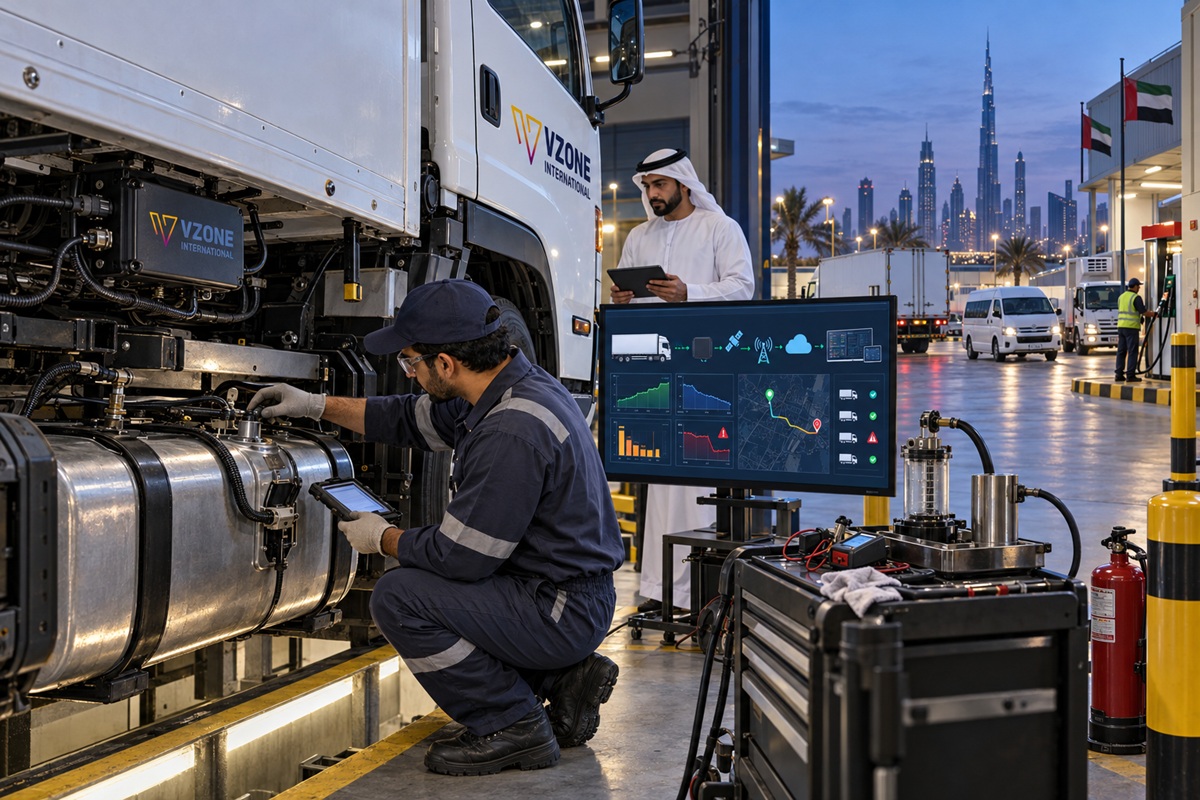
A fuel monitoring system is a hardware and software solution that tracks fuel levels, consumption, and losses in commercial vehicles and storage tanks in real time detecting theft, measuring waste, and providing per-vehicle fuel cost data that manual fuel logs and card statements cannot deliver. It works by combining calibrated fuel level sensors in vehicle tanks with GPS telematics, which transmits sensor readings to a cloud platform where they are matched against trip data to calculate consumption per kilometre and flag anomalies.

Read More »
Commercial Fleet Fuel Management: UAE Benchmarks and Industry Standards

Commercial Fleet Fuel Management: UAE Benchmarks and Industry Standards

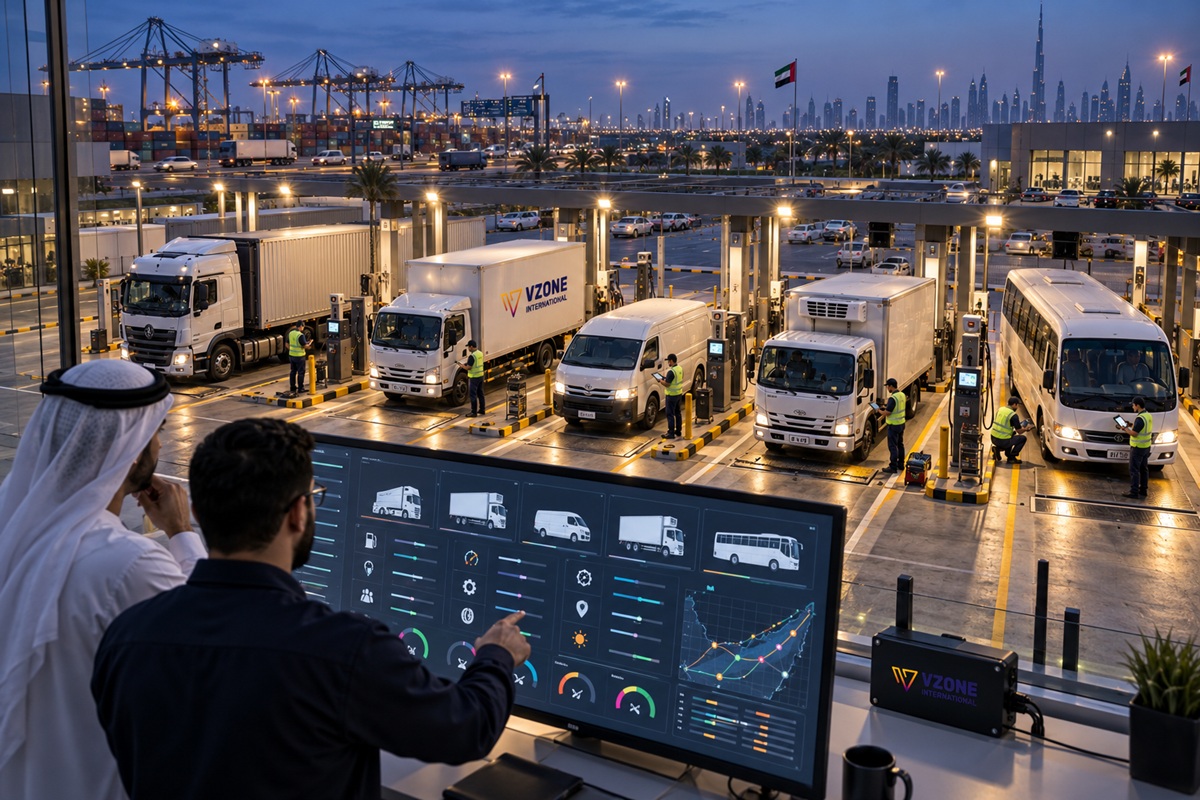
Fuel is the largest single operating cost for UAE commercial fleets, representing 28 to 42 percent of total vehicle operating cost depending on fleet type higher for high-mileage commercial vehicle operations, lower for mixed urban and light vehicle fleets. UAE fuel consumption benchmarks by vehicle category: light commercial van (urban delivery) 9 to 14 L/100 km; pickup truck (construction) 12 to 18 L/100 km; medium rigid truck (mixed routes) 18 to 28 L/100 km; heavy semi-trailer (highway) 28 to 42 L/100 km. Top-quartile UAE fleet operators using GPS telematics achieve 15 to 20 percent below the industry median consumption benchmark for their vehicle category. Fleets without telematics typically perform at or above the industry median.

Read More »
AI Fuel Cost Optimization: Using Machine Learning to Predict UAE Fleet Spend

AI Fuel Cost Optimization: Using Machine Learning to Predict UAE Fleet Spend

AI fuel cost management for UAE commercial fleets applies machine learning to GPS telematics data and fuel consumption records to do three things that rule-based fleet management systems cannot: predict future fuel spend with high accuracy by modelling the relationship between driving patterns, route conditions, seasonal factors, and consumption outcomes; detect consumption anomalies in real time by comparing each trip’s actual consumption against the AI model’s expected consumption for that specific combination of vehicle, driver, route, load, and weather conditions; and identify optimisation opportunities that are not visible to human analysis fuel efficiency patterns correlated with specific times of day, driver behaviour clusters that respond differently to coaching interventions, and route segments that consistently drive above-expected consumption across all drivers. VZone International’s AI Fleet Assistant, trained on 300M+ km of UAE and GCC driving data, applies these capabilities to UAE fleet fuel management with regional calibration not available in global fleet AI platforms.

Read More »
Fuel Cost Per Vehicle Report - How to Build One and What to Track

Fuel Cost Per Vehicle Report: How to Build One and What to Track

A fuel cost per vehicle report for UAE commercial fleets tracks five core metrics per vehicle per reporting period: total fuel spend (AED), total kilometres driven (GPS-verified), fuel consumption per 100 km (litres), fuel cost per kilometre (AED), and variance from the vehicle’s established baseline. The report is structured with a fleet-level summary (total spend, fleet-average consumption, budget variance), a per-vehicle ranking table sorted by fuel cost per kilometre (identifying high-cost outliers), a driver efficiency section (consumption per 100 km normalised for route type), and an exceptions section (vehicles with significant month-on-month cost increases, card reconciliation exceptions, and idling cost highlights). Fleet management software generates this report automatically from GPS telematics and fuel card data no manual spreadsheet calculation required.

Read More »
Scroll to Top