
Solution: Cold Chain Monitoring

Ultra-Cold Pharma Shipments - Beyond Standard Reefer Monitoring

Ultra-Cold Pharma Shipments: Beyond Standard Reefer Monitoring

Ultra-cold pharma shipments (2–8°C, -20°C, or -70°C) demand more than standard reefer monitoring: calibrated ultra-low-range probes, redundant sensors, continuous alarming, and audit-ready chain-of-custody records. GPS-linked monitoring documents the full journey and flags excursions before product is compromised.

Read More »
Top 10 Temperature Monitoring Mistakes in Reefer Shipping (and How to Fix Them)

Top 10 Temperature Monitoring Mistakes in Reefer Shipping (and How to Fix Them)

The most common reefer temperature monitoring mistakes are relying on manual logs, ignoring door-open events, setting loose alert thresholds, skipping pre-cooling, and keeping non-audit-ready records. GPS-integrated reefer monitoring fixes each one with continuous sensor data, instant excursion alerts, and compliance-ready reports protecting cargo across the UAE.

Read More »
How to Upgrade Your Cold Chain Solution Cut Waste and Maximise Profit

How to Upgrade Your Cold Chain Solution: Cut Waste and Maximise Profit

Upgrading a cold chain monitoring solution in UAE typically delivers 20 to 35 percent reductions in cargo waste through real-time excursion prevention, compliance cost avoidance, and fuel savings from route and reefer efficiency improvements. The strongest upgrade triggers are: recurring unexplained cargo losses, failed regulatory audits due to documentation gaps, manual report compilation overhead, and inability to generate GPS-paired temperature records.

Read More »
Cold Chain Temperature Monitoring for Food and Beverage Distribution UAE

Cold Chain Temperature Monitoring for Food and Beverage Distribution UAE

Food and beverage cold chain temperature monitoring in UAE requires GPS-integrated IoT sensors that record continuous temperature throughout multi-stop delivery routes, generate HACCP-compatible compliance records, and satisfy Dubai Municipality and FSRA food safety requirements. UAE summer heat with ambient temperatures exceeding 45°C makes real-time pre-alert monitoring essential: door-open exposure at delivery stops can raise chilled compartment temperature above safe limits in under 15 minutes.

Read More »
Cold Chain Solution Checklist: 12 Things to Evaluate Before You Buy

Cold Chain Solution Checklist: 12 Things to Evaluate Before You Buy

When choosing a cold chain monitoring system in UAE, evaluate 12 critical criteria: UAE regulatory compliance certifications, real-time GPS-paired temperature alerts, pre-alert configuration before threshold breach, reefer unit health monitoring, multi-zone sensor support, automated HACCP or GDP compliance reports, calibration certificate management, battery backup and offline data buffering, unified fleet and facility platform, cross-border GCC coverage, provider UAE experience, and total cost of compliance over 24 months.

Read More »
Cold Chain Temperature Monitoring for Pharmaceutical Fleets UAE - GDP Compliance Guide

Cold Chain Temperature Monitoring for Pharmaceutical Fleets UAE: GDP Compliance Guide

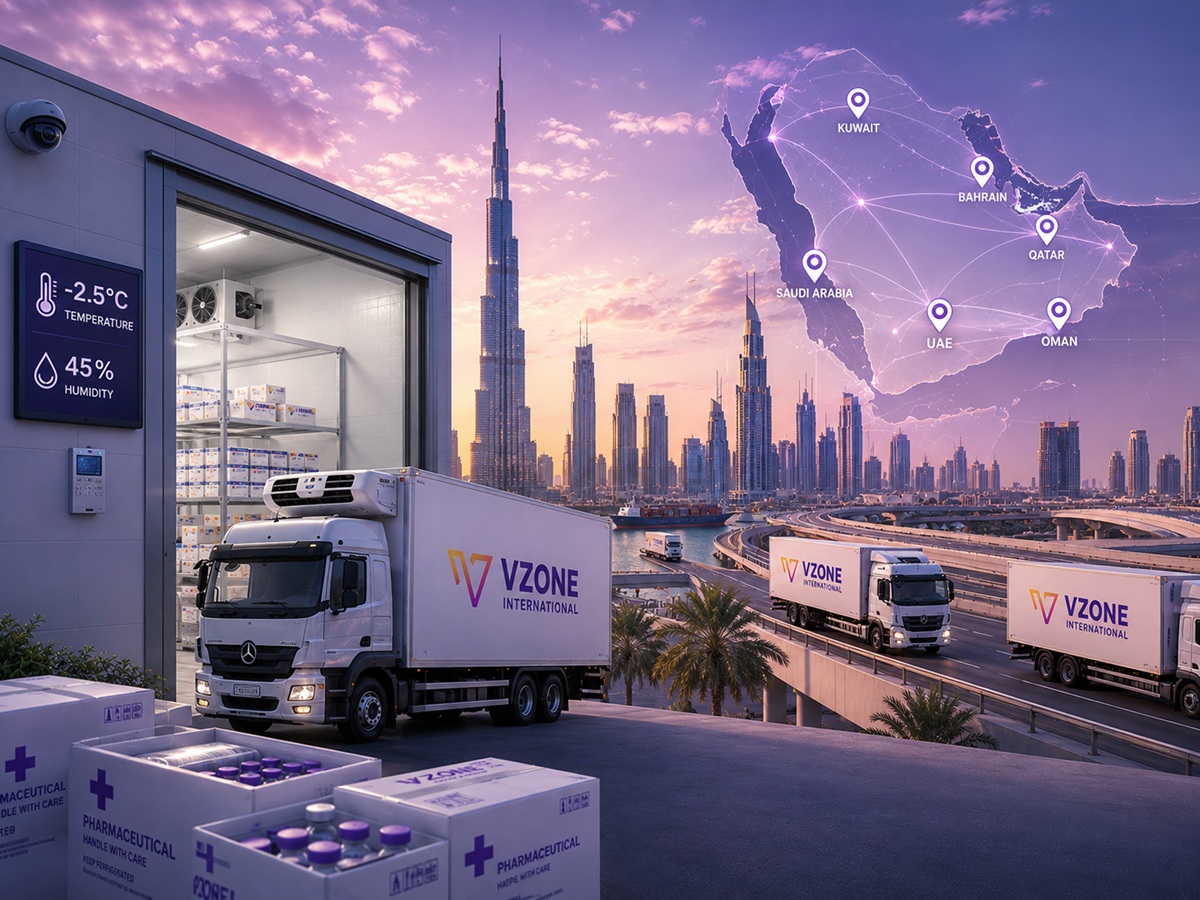
Pharmaceutical cold chain temperature monitoring in UAE must satisfy MOHAP WHO GDP requirements: calibrated instruments with traceable certificates, vehicle qualification documentation, alarm management with defined response times, GPS-paired temperature records, and complete excursion investigation audit trails. UAE pharmaceutical distributors also face manufacturer GDP audits that are often more demanding than MOHAP inspections making automated, GDP-formatted documentation essential for sustained commercial relationships.

Read More »
Temperature and Humidity Monitoring System: Why Both Matter for UAE Cold Chain

Temperature and Humidity Monitoring System: Why Both Matter for UAE Cold Chain

Temperature and humidity monitoring systems use combined IoT sensors to measure both environmental conditions simultaneously in cold storage facilities and refrigerated vehicles. Humidity matters alongside temperature because excess moisture causes condensation damage, accelerates microbial growth, and degrades pharmaceutical and electronic products even when temperature remains within range. Combined monitoring is required for pharmaceutical cold storage under MOHAP GDP guidelines and for electronics and hygroscopic food cold chain applications.

Read More »
Scroll to Top